
Seasonal
Seasonal Eating in Early Autumn: What to Buy, Cook and Preserve This Month
October 02, 2026
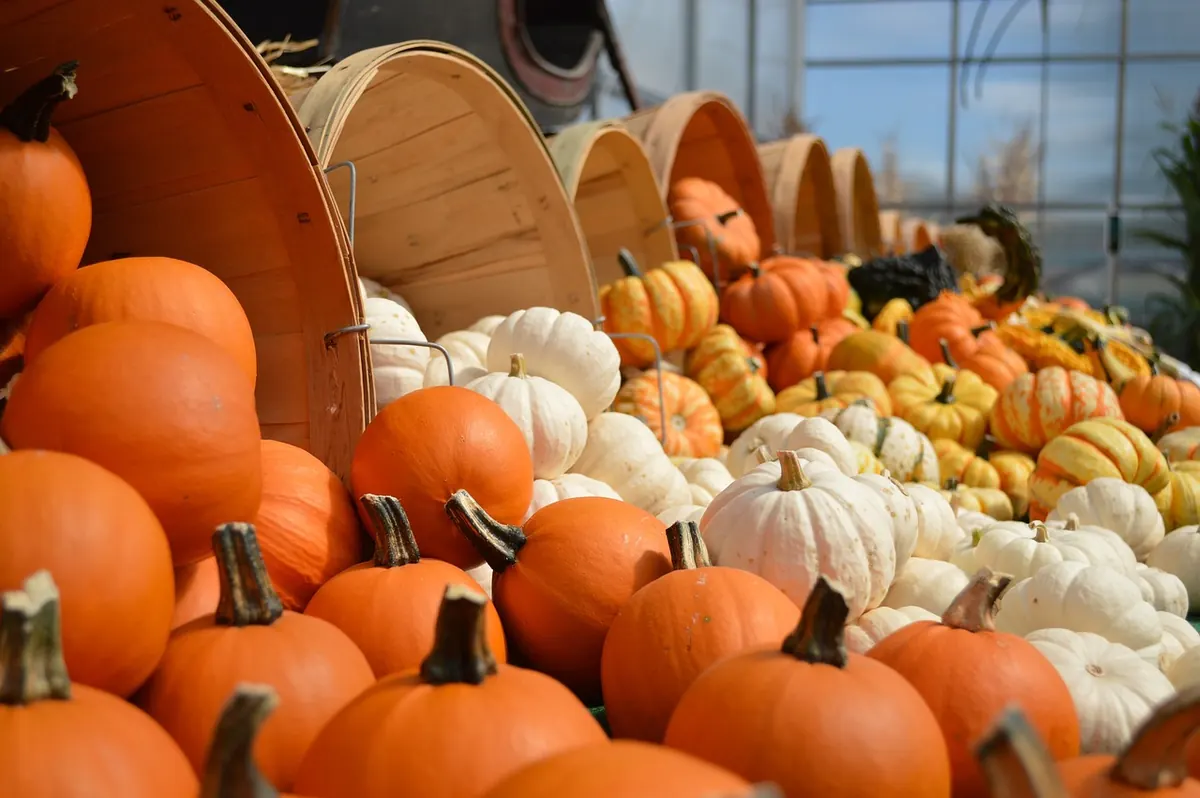
Early autumn is the best-stocked fortnight of the year. The tomatoes are still coming, the courgettes haven't given up, and behind them the hedgerows and the first squash have arrived. The temptation is to buy all of it and let half go soft in the fridge drawer. Better to choose four or five things, eat some now and put the rest by — a jar, a bag in the freezer, a chutney that will carry you into winter.
What to look for this month
Quality is mostly a matter of touch. These are worth your attention:
- Apples — heavy for their size, firm, with no give around the stem. Early varieties are best eaten within a week.
- Blackberries — ripe ones drop into the hand with the lightest pull. Pick above knee height, away from roads and sprayed hedges, and only where you have permission.
- Squash and pumpkin — a dry, corky stem and skin you can't dent with a thumbnail.
- Sweetcorn — tight green husks, brown and slightly sticky silk, fat kernels.
- Leeks — long white shanks, crisp tops, no yellowing at the tips.
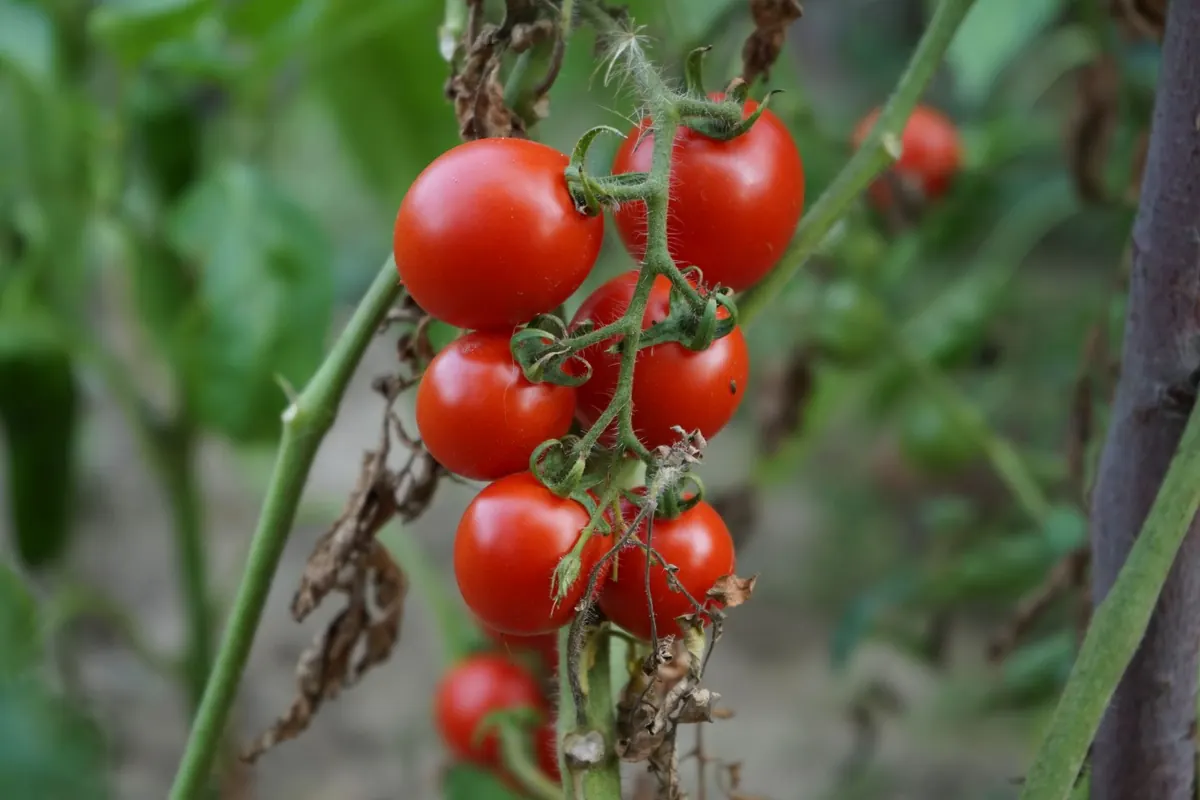
Also good now: the last outdoor tomatoes, figs, damsons, cobnuts, and courgettes while the plants are still producing.
Fruit
Apples
Cook it: Melt a generous knob of butter in a wide pan, add peeled apple wedges and a spoonful of sugar, and leave them alone until the edges catch and turn gold. Pile onto thick toast with sharp cheddar, or spoon over porridge. Late varieties — Russets, Bramleys — hold their shape better than the soft early eaters.
Keep it: Apple butter. Cook peeled, chopped apples slowly with a splash of cider, sugar to taste and a cinnamon stick until the mixture is dark, thick and spoonable — an hour or more, uncovered at the end. It should hold a trail behind the spoon. Pot into warm sterilised jars while hot, seal, and refrigerate once opened. It's excellent with cheese and in a cheese sandwich.
Blackberries
Cook it: Crush a couple of handfuls with a little sugar and a squeeze of lemon and let them sit for twenty minutes, until the juice runs. Spoon over yoghurt, or use as a sharp sauce for pork or duck. If you're making jam later, remember blackberries are low in pectin; add lemon juice or a grated apple to help it set.
Keep it: Freeze them properly and you'll have summer in February. Spread the berries on a tray in a single layer, open-freeze until hard, then tip into bags. They won't crush or clump, and they taste far better than anything you can buy out of season. Use within a year. If you'd rather bottle them, follow a tested jam recipe — the proportions matter more than instinct here.
Vegetables
Squash
Cook it: Cut into wedges, toss with oil, salt and a few sage leaves, and roast at high heat until the thin edges caramelise. Boil a pan of pasta meanwhile, brown some butter with more sage and a spoonful of seeds, then fold everything together with a handful of grated hard cheese. A whole roasted squash keeps happily in the fridge for several days.
Keep it: Roast, mash and freeze in two-cup portions — flat bags stacked on top of each other take up very little room and thaw in minutes. Or make squash chutney with onion, apple, vinegar and mustard seed; it's ready in a few weeks and improves for months. If you're bottling anything, use a tested recipe and follow the timings rather than a guess.
Sweetcorn
Cook it: The sugar in sweetcorn starts turning to starch the moment it's picked, so cook it the day you buy it. Cut the kernels raw from the cob and blister them in a dry, very hot pan with a little butter, salt and a squeeze of lime. Stop when the kernels start to pop and brown in patches. That's dinner, with eggs or in a quesadilla.
Keep it: Blanch whole cobs for four minutes, plunge into iced water, drain, then cut off the kernels and freeze them flat in bags. Corn frozen this way tastes far closer to fresh than the tinned sort. A corn relish — kernels, chopped pepper, onion, vinegar, sugar and mustard seed, simmered until glossy — is another good use for a glut.
Leeks
Cook it: Slice thickly, wash well (grit hides between the layers — slit the leek lengthwise and rinse under running water), then cook slowly in butter with thyme and a lid on until they collapse into something sweet and silky. Add stock and potatoes for soup, or serve them alongside roast chicken as they are. Charred halves, dressed with oil and vinegar, are worth trying too.
Keep it: Leek confit. Slice thinly, cover with olive oil in a heavy pan, and cook very gently for around an hour until soft and sweet — don't let them fry. Pot into jars, topping up with oil to cover, and keep in the fridge for a couple of weeks. Stir a spoonful into soup, mash or pasta. Sliced leeks also freeze well after two minutes in boiling water.
Three habits that make preserving easier
- Work in small batches. Two kilos of fruit at a time is manageable; ten is a lost evening.
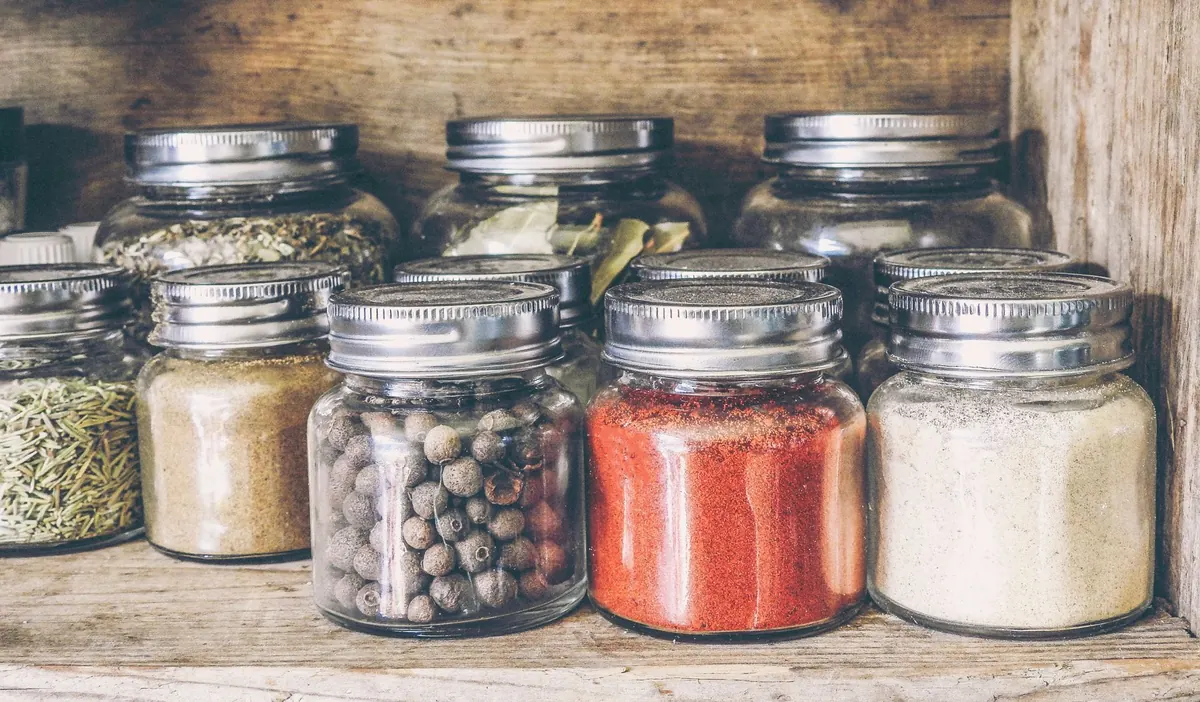
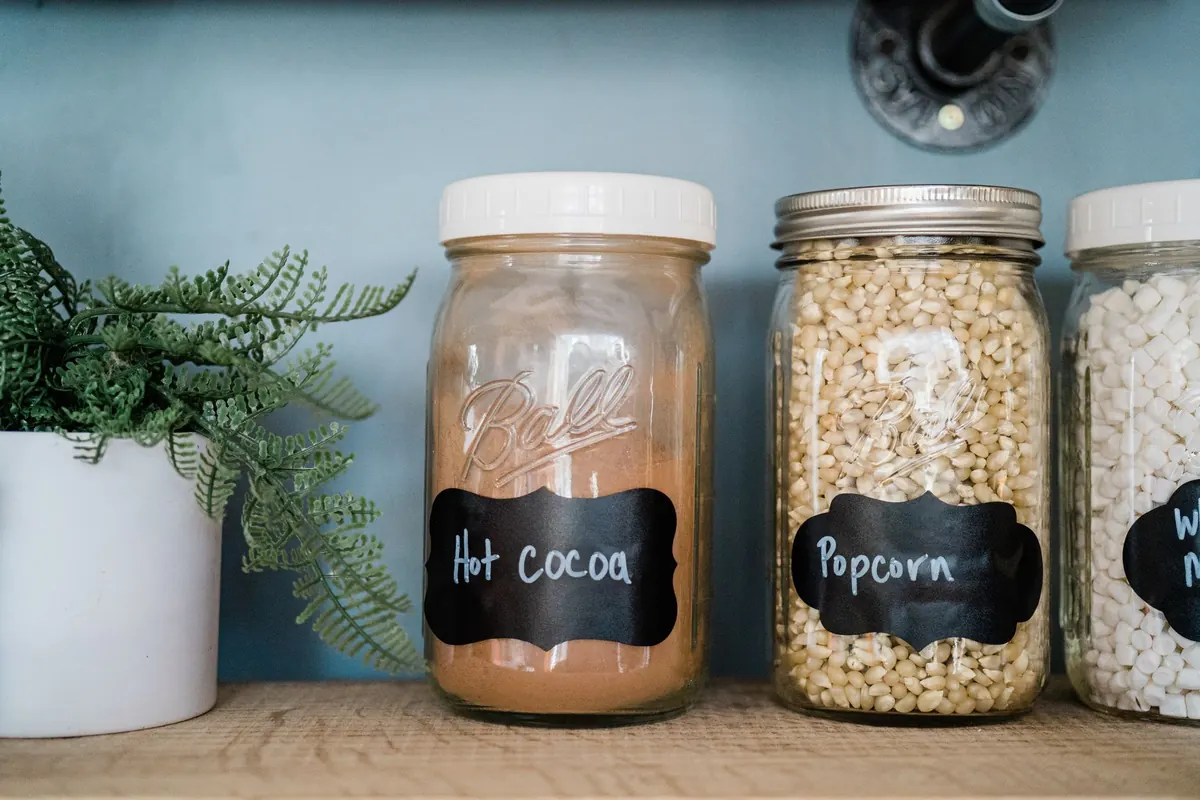
- Label everything with contents and date, and store jars somewhere cool and dark.
- Clean jars properly. Wash in hot soapy water, rinse, and dry in a low oven. Fill while both jar and contents are hot, and seal straight away.
If you're new to bottling, freezing is the safer and simpler option for most of this list. For anything involving long storage at room temperature, follow a tested recipe and its processing times — preserving is one area where improvising isn't worth the risk.
Your early-autumn weekend plan
Shop on Saturday morning: apples, blackberries, one squash, three cobs, a bundle of leeks. Eat the sweetcorn that night, roasted in a hot pan. Sunday, spend two hours on the rest — apple butter simmering on the back ring while you freeze berries and get the squash roasted. By Sunday evening you'll have a fridge full of things to eat this week and a shelf that will still be feeding you in January. That's the whole point of eating this way: not nostalgia, just good food, bought at its best and made to last.
Photo: Picsues / Pixabay
Related posts
More stories you’ll love reading