
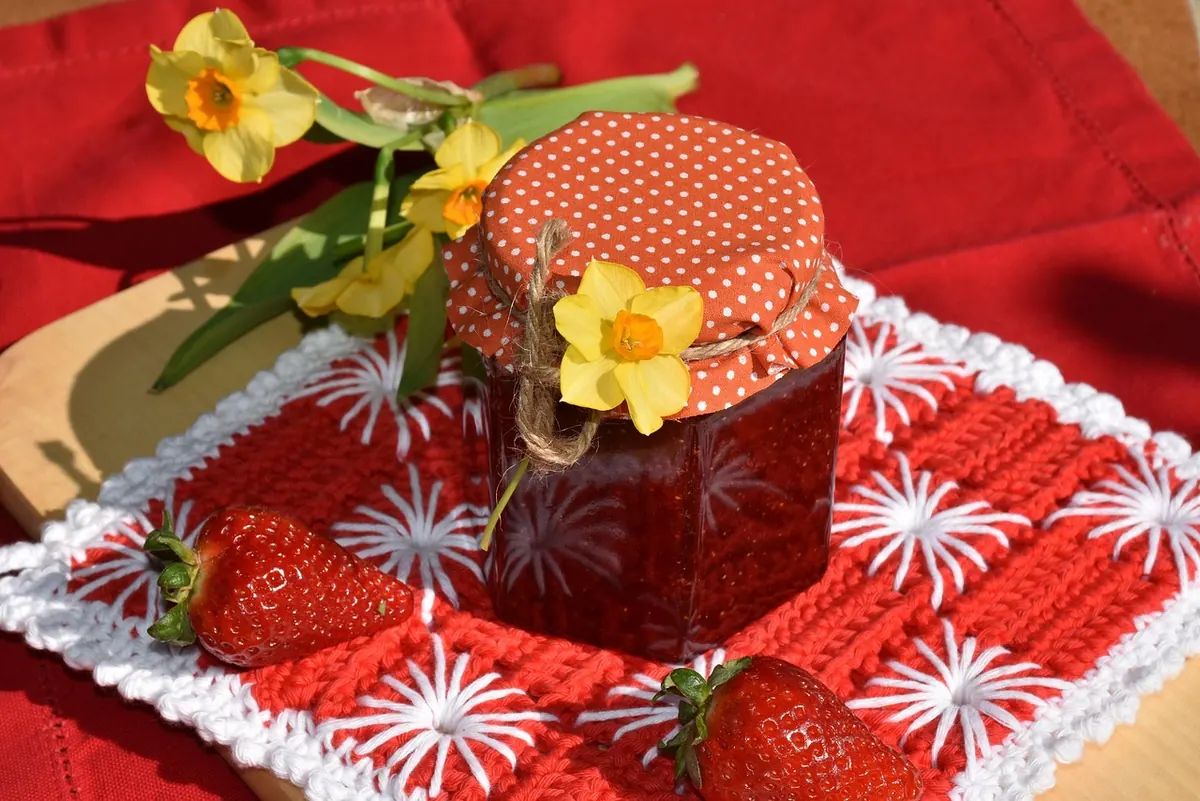
Few kitchen disappointments are as quiet as a jar of homemade jam that refuses to set. You followed the recipe, the fruit tasted wonderful, and yet a week later the contents slide down the toast like sauce. The good news is that runny jam is almost always traceable to one of five causes, and most of them can be fixed in the same pan, on the same afternoon.
1. Picking the Fruit at the Wrong Stage
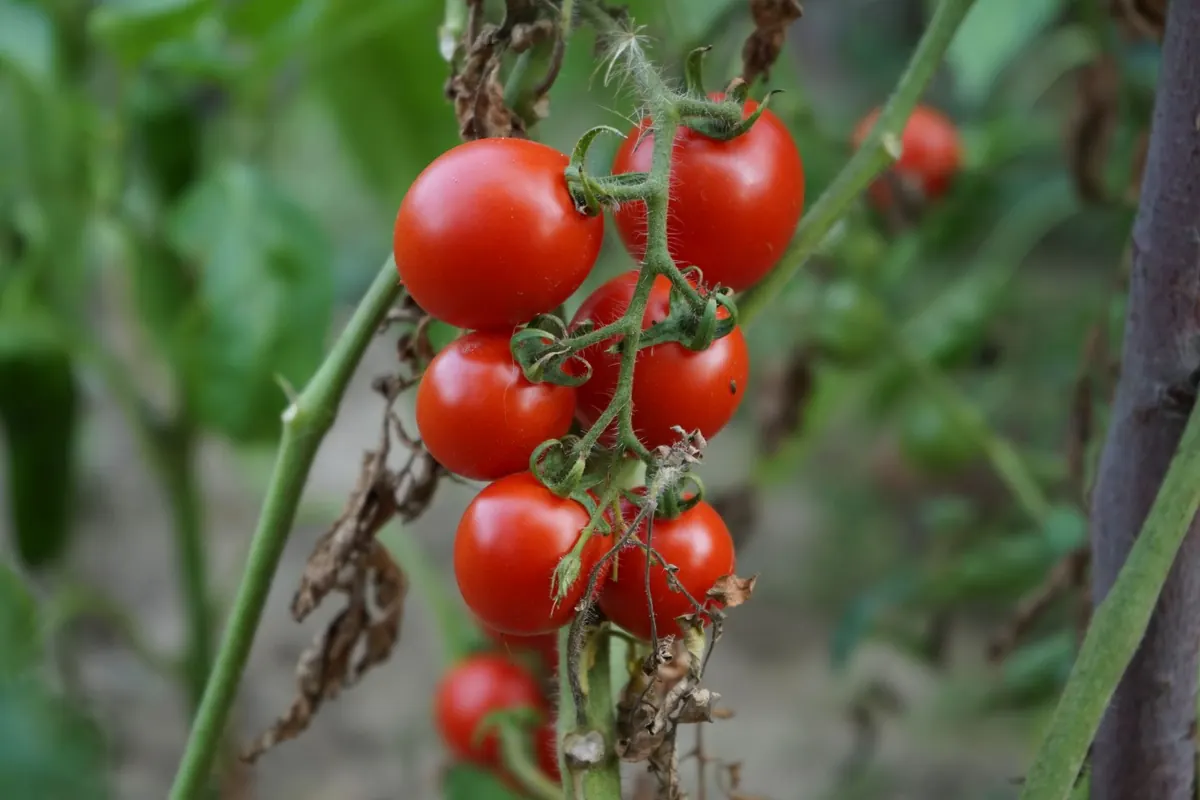
Pectin is the natural gelling agent in fruit, and it fades as fruit ripens. That soft, dripping-ripe strawberry at the peak of the season is delicious to eat and almost useless for setting. Underripe fruit carries more pectin and more acid, which is why old recipes quietly insist on a mix.
Aim for fruit that is mostly ripe and flavourful, with a handful of slightly firm, underripe specimens thrown in. Never go the other way and use fruit that is starting to soften or bruise; no amount of boiling will bring back pectin it no longer has. If your fruit is past its best, plan on adding commercial pectin or a grated apple or two.
- Naturally high in pectin: apples, crab apples, quince, blackcurrants, gooseberries, plums, damsons, citrus peel.
- Naturally low in pectin: strawberries, raspberries, cherries, peaches, apricots, pears, figs, rhubarb.
2. Using the Wrong Pectin, or Using It Badly
Powdered and liquid pectin are not interchangeable, and the packets are not being coy when they give precise instructions. Powdered pectin is whisked into the prepared fruit before the sugar goes in, then the whole lot is boiled hard. Liquid pectin goes in at the very end, after the sugar has dissolved and the jam has had its rolling boil, and is then boiled for exactly the time stated. Add liquid pectin too early, or keep boiling after it, and the gel structure breaks down.
There is a second layer to this. Standard pectin needs both sugar and acid to set, so a low-sugar recipe using ordinary pectin will often stay loose. Low-sugar or no-sugar pectins are a different product entirely and set with calcium instead; they need their own recipes. Check the date on the packet, too. Pectin loses potency as it ages, and a dusty box from the back of the cupboard is a common culprit behind a failed batch.
3. Forgetting the Acid
Acid does two jobs: it helps pectin strands link up into a gel, and it sharpens the flavour of sweet fruit. Skip it with peaches, sweet cherries, pears or strawberries and you get jam that tastes flat and stays syrupy no matter how long you boil it.
Lemon juice is the easiest fix, and most recipes call for a tablespoon or two per kilo of prepared fruit. Bottled lemon juice has a more predictable acidity than fresh, which is why many preserving cooks keep a bottle in the fridge for jam day. Add it at the start of cooking rather than at the end, so it has time to work.
4. Stirring Too Much and Boiling Too Gently
This is the mistake that catches careful cooks, because stirring feels like the responsible thing to do. It is not, once the sugar is in. Constant stirring drags the temperature down, so the jam never reaches the setting point, which is roughly 104–105°C (220°F) at sea level. Stir slowly every minute or so to stop the fruit catching on the base, then leave it alone.
Scrape down the sides of the pan as little as possible. Sugar crystals stuck to the rim can fall back in and seed crystallisation, which gives you gritty jam rather than firm jam. A wide, heavy-based pan helps enormously: more surface area means faster evaporation, and faster evaporation means a better set.
Three ways to test the setting point
- Temperature: a preserving thermometer should read 104–105°C. Adjust upwards slightly if you live at altitude.
- The wrinkle test: chill a saucer in the freezer, drop a teaspoon of jam on it, let it cool for a minute, then push it with your finger. If the surface wrinkles, it is ready.
- The spoon test: dip a cool metal spoon in and let the jam fall. If it drops in a sheet or a couple of heavy flakes rather than a thin stream, stop cooking.
Jam continues to firm up as it cools, so pull the pan off the heat the moment it passes your test. Overcooked jam cannot be undone, but a slightly soft set can always be reboiled.
5. Working in Batches That Are Too Big
A huge pan of fruit takes forever to come to a hard boil, and by the time it does, the fruit has collapsed into purée and much of the pectin has been damaged. Two smaller batches, cooked one after the other, will almost always set better than one ambitious batch. As a rough guide, keep to about 1.5kg of fruit at a time.
Dissolve the sugar fully before you turn up the heat. If you dump it in cold and start boiling immediately, the sugar sits at the bottom of the pan, scorches, and never fully integrates. Warm the sugar in a low oven first, add it gradually, and stir until you can no longer feel grains against the spoon.
Rescuing a Batch That Has Already Gone Wrong
Before you do anything, wait. Some jams look loose on day one and are perfectly set after 48 hours. If it is still pourable after that, work through these steps in order.
- Tip the jam into a wide pan and bring it to a hard, bubbling boil for 5–10 minutes, testing every couple of minutes. Many batches simply needed longer.
- If it is still loose, add acid: a tablespoon of lemon juice per litre, reboil briefly and test again. This works well for low-acid fruit.
- Then try pectin. Whisk powdered pectin with a little water first so it does not clump, stir it in, and boil hard for one minute. Liquid pectin can also be used at this stage; reboil for exactly one minute.
- Reboil only once or twice more. Past that, the flavour dulls and the colour darkens.
- If it refuses to cooperate, stop fighting. Runny jam is excellent swirled through yogurt, spooned over ice cream, brushed onto roast pork or chicken, stirred into a vinaigrette, or warmed and poured over pancakes. Freeze it in small tubs and treat it as fruit sauce.
Habits That Keep the Next Batch Firm
Keep a saucer in the freezer before you start, so you can test without scrambling. Read the pectin packet every time, even for a brand you think you know, because instructions differ. Weigh your fruit and sugar rather than guessing, and write the date and any changes on the jar lid. After three or four batches you will start to recognise the sound and look of jam at setting point, and runny jam becomes a rare event rather than a habit.
Photo: RitaE / Pixabay
Related posts
More stories you’ll love reading