
Pantry Tips
The 15-Minute Pantry Audit: A Checklist for Clearing Out Expired Staples
September 29, 2026
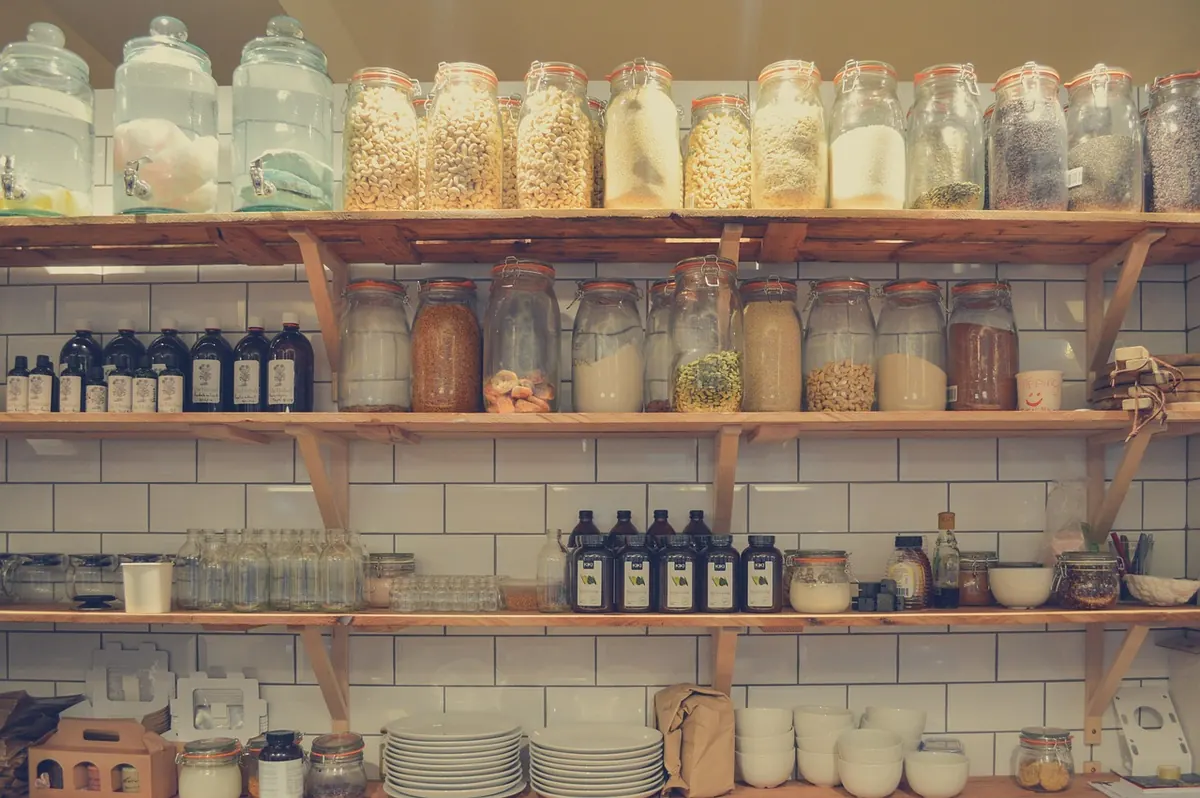
Nobody sets out to own four half-empty bags of rice. It happens one grocery run at a time: a recipe calls for two tablespoons of sesame seeds, you buy the smallest jar you can find, and two years later it's still there, smelling faintly of nothing. A pantry audit isn't a deep clean or a spreadsheet project. It's a decision-making session with your shelves, and fifteen minutes is enough to run one. Here's the checklist version — print it, tape it inside a cupboard door, or simply work through it with a timer running.
Set Up in Ninety Seconds
You need five things before you touch a jar: a timer, a marker and a roll of masking tape, three containers, a damp cloth, and a notepad for the restock list. The containers matter more than they sound. You're making three piles and you need somewhere to put them, so use a laundry basket and two grocery bags if that's what's within reach.
Then empty one shelf at a time. Not the whole pantry. All-at-once emptying looks impressive for about four minutes, after which you're standing in a kitchen that has been swallowed by tins.
The Three-Question Sort
Pick up each item and put it in a pile. No shelf-shuffling, no "I'll decide later." Later never decides.
- Keep. Sealed or sound, and you'll realistically use it within six months. Wipe the outside and put it back with the label facing out so you can actually read it next time.
- Rescue. Still fine but past its best, or open and unlikely to be finished before it turns. These go in a box at the front of the shelf with a strip of tape reading USE FIRST.
- Out. Mould, insects, a strange smell, a puffed or leaking can, or a date you can't talk yourself into. Bin it, and note what it was so you don't rebuy it.
Anything you keep that's already open gets today's date written on tape. That is the single most useful habit in the whole fifteen minutes. Six months from now, "opened sometime in 2022" is the difference between using a jar of spice and throwing it away.
How to Read the Dates Without Panicking
Dates on shelf-stable food are mostly about quality, not safety. A tin of tomatoes doesn't turn dangerous the day after its best-before date; it just loses some colour and brightness. The trick is knowing which label you're reading.
Best before, or best if used by
Quality guidance. Pasta, rice, tinned goods, cocoa and most dry staples are fine well past this date if they've been kept dry and cool, though flavour flattens over time. Your nose and tongue are the real test here.
Use by, or expiry, on perishables
A different animal. This appears on things that can support bacterial growth: fresh dairy, chilled meat, prepared salads. Treat it as a hard line, not a suggestion.
No date at all
Bulk-bin purchases, decanted flour, that jar from a friend. Judge by condition: dry and free-flowing, no clumping, no musty or crayon-like smell, no webbing or tiny moths.
What to Check, Shelf by Shelf
Baking shelf
Baking powder and baking soda lose their lift long before they smell wrong — a spoonful in hot water should fizz enthusiastically. Yeast that has sat open in a warm cupboard will let you down, so proof it in warm water with a pinch of sugar before you plan a loaf around it.
Cans and jars
Run your thumb around the rims. Anything bulging, badly dented on a seam, leaking or rusting goes straight in the out pile — don't open it to check. Jars with a popped lid, mould under the seal, or an unexpected fizz are out too.
Grains, pasta and flour
Look for clumping, webbing or small holes in bags. White rice and dried pasta are remarkably patient. Wholegrain flours and brown rice are not; the oils in them go stale within months. If you find pantry moths, clear the whole shelf, wipe it down, and freeze any new grains for a few days before storing them.
Oils, nuts and seeds
Rancid oil smells like old crayons or a forgotten paint drawer. Taste one nut or seed: if it's bitter or flat, the bag is finished. Nuts and seeds last far longer in the fridge or freezer, especially through summer.
Spices
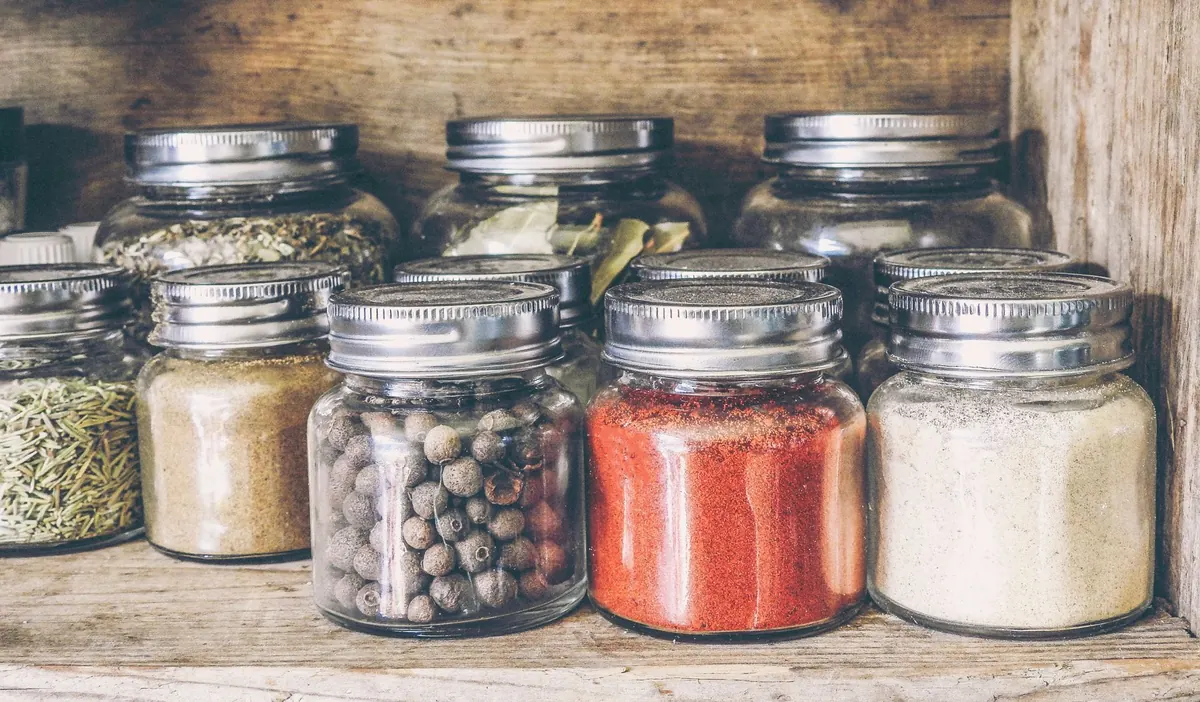
Rub a pinch between your fingers and smell it. If you have to hunt for the aroma, replace it. Ground spices fade fastest; whole ones hold their character longer.
Dealing With the Rescue Pile
This box is where the audit pays you back, so keep it visible — on the counter or at eye level, never behind the good stuff. Then get it moving:
- Stale bread becomes croutons, or breadcrumbs whizzed with salt and dried herbs.
- Cereal that has lost its snap goes into a crumble topping or a batch of flapjacks.
- Soft carrots, bendy celery and tired onions go into a stock pot or a soup.
- Overripe bananas get peeled, frozen and used in smoothies or banana bread.
Give the box a two-week deadline. If nothing in it has moved by then, the honest answer is that you don't want it, and out is a perfectly good place for it to go.
Restocking So You Don't Repeat This
- Buy small first. One small jar of an unfamiliar spice beats a bulk bag you'll never finish.
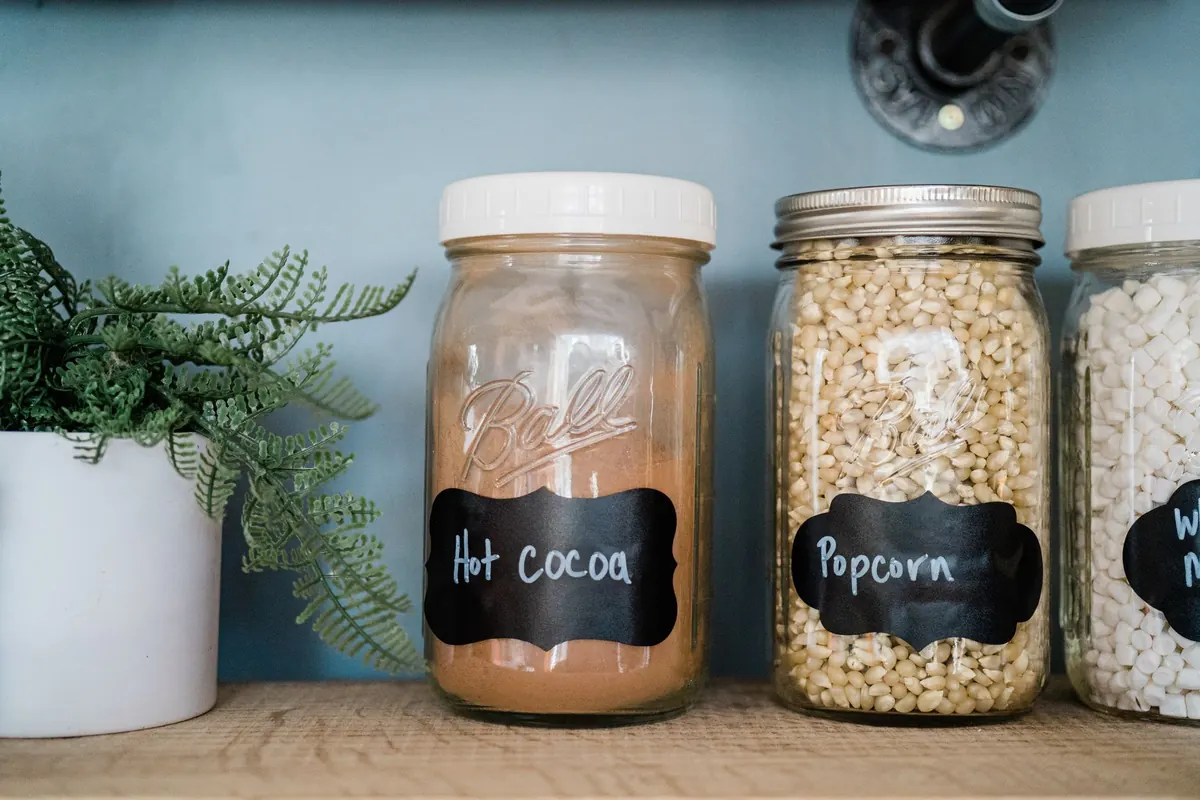
- Decant and date. Move open bags into jars, label with the date you opened them.
- One in, one out. The new jar goes behind the open one, not in front of it.
- Keep a running list on the fridge. When you finish something, write it down — that's your shopping list, not your memory.
- Store like with like: baking together, cans together, grains together.
A Short Word on Playing It Safe
Never taste-test something to decide whether it's safe. Bulging or leaking cans, mouldy jam, and anything with an off smell or an unexpected fizz belong in the bin, because you cannot smell or taste the bacteria that cause food poisoning. If you're pregnant, immunocompromised, or cooking for young children or elderly relatives, be stricter than the dates suggest. And if you're genuinely unsure about a specific item, ask your local food safety authority or a health professional rather than trusting a blog.
Make It a Fifteen-Minute Habit
Twice a year is plenty: when the clocks change, at the start of a new season, or the week before a big shop
Photo: Pexels / Pixabay
Related posts
More stories you’ll love reading