
Most kitchen standoffs start with a date. Someone finds a tin of chopped tomatoes stamped with last spring's best-before and reaches for the bin. Someone else eyes a tub of yogurt two days past its use-by and quietly slides it back onto the shelf.
Those two labels do very different jobs. One is a maker's guess about quality. The other is a safety line you shouldn't cross. Once you know which is which, you can stop binning perfectly good food and start being careful about the food that deserves it.
Best before is about quality, not safety
Best-before dates appear on food that keeps: dried pasta, rice, oats, flour, tins, spices, crisps, chocolate, frozen peas. The date marks the point where the maker reckons quality starts to slip — flavour fades, texture softens, colours dull.
Past that date, the food isn't automatically unsafe. It's just past its best. A three-year-old tin of chickpeas will still feed you; the chickpeas may be softer and need longer in the pan. A jar of ground cumin doesn't turn dangerous, it turns dusty, and you need twice as much to taste anything.
So treat best-before as a nudge rather than a wall. Open it, look at it, smell it, decide. Eggs usually carry a best-before date too. If they're past it but smell normal when cracked into a separate bowl, cook them thoroughly rather than serving them runny.
Use by is a safety line
Use-by dates sit on food that spoils quickly and can support harmful bacteria: fresh meat and fish, cooked meats, ready-to-eat salads, dairy, chilled dips, fresh pasta. The date assumes the food has stayed cold the whole time. A warm car boot, a warm lunchbox or an over-packed fridge shelf and the date no longer means what it says.
You can't see, smell or taste listeria or salmonella, so with use-by there's nothing to negotiate. If you won't eat it in time, freeze it before the date. Freezing doesn't kill bacteria, but it stops them multiplying; defrost in the fridge, use it promptly and cook it thoroughly.
And the labels shops use
"Display until" and "sell by" are instructions for staff, not for you. Ignore them. If a shop assistant refuses to sell you something because it hit a sell-by date, they're talking about stock rotation, not your dinner.
How to judge food with your senses
For anything with a best-before date — and for the leftovers in your own fridge — your senses are better tools than a printed number. Work through this in order:
- Look. Mould, sliminess, fizzy liquid, a swollen or leaking packet, dull colour where it used to be bright.
- Smell. Sour milk, fish that smells of ammonia, oil that smells like crayons or old paint, anything musty.
- Touch. Meat that feels tacky, vegetables gone limp and slippery, bread with a soft fuzzy patch.
- Taste a little. If it still looks and smells fine, take a small bite. If it tastes flat or wrong, stop. Never taste anything from a bulging tin or a jar with a broken seal.
Then apply common sense about the food itself. Dried goods, sugar, salt and honey rarely go off in a dangerous way. Soft, wet foods do — and quickly.
How long pantry staples really keep
These are rough working ranges for food stored cool, dark and dry. Mostly they're about quality, so adjust for your own kitchen.
- Tins: two to five years for low-acid things like beans, tuna and soup; acidic tins such as tomatoes and fruit hold their quality for less, often around a year and a half.
- Dried pasta, white rice, oats: a year or more in airtight containers, longer if kept cool.
- Wholemeal flour, brown rice, nuts, seeds: a few months before the oils turn. Freeze them if you buy in bulk.
- Sugar, salt, honey: effectively indefinite. Crystallised honey just needs a warm water bath.
- Baking powder and bicarbonate of soda: six months to a year. Test by spooning a little into hot water — it should fizz hard.
- Oils: a year or two unopened, a few months once opened. Keep them out of the light and away from the hob.
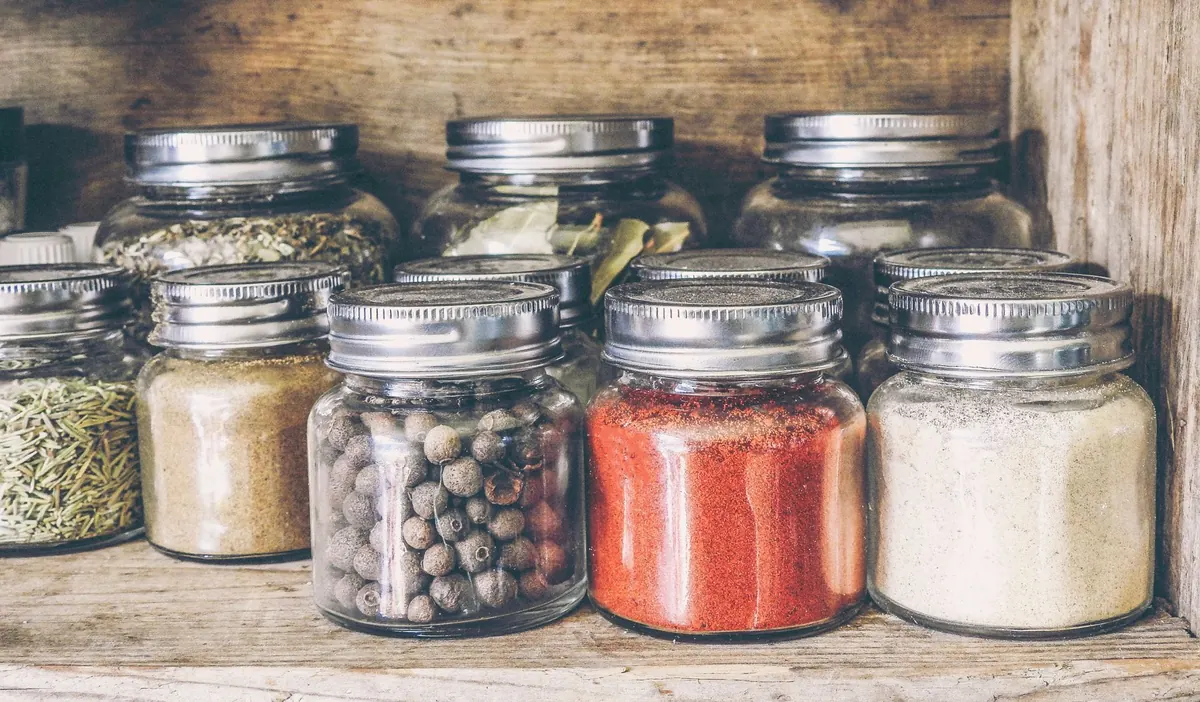
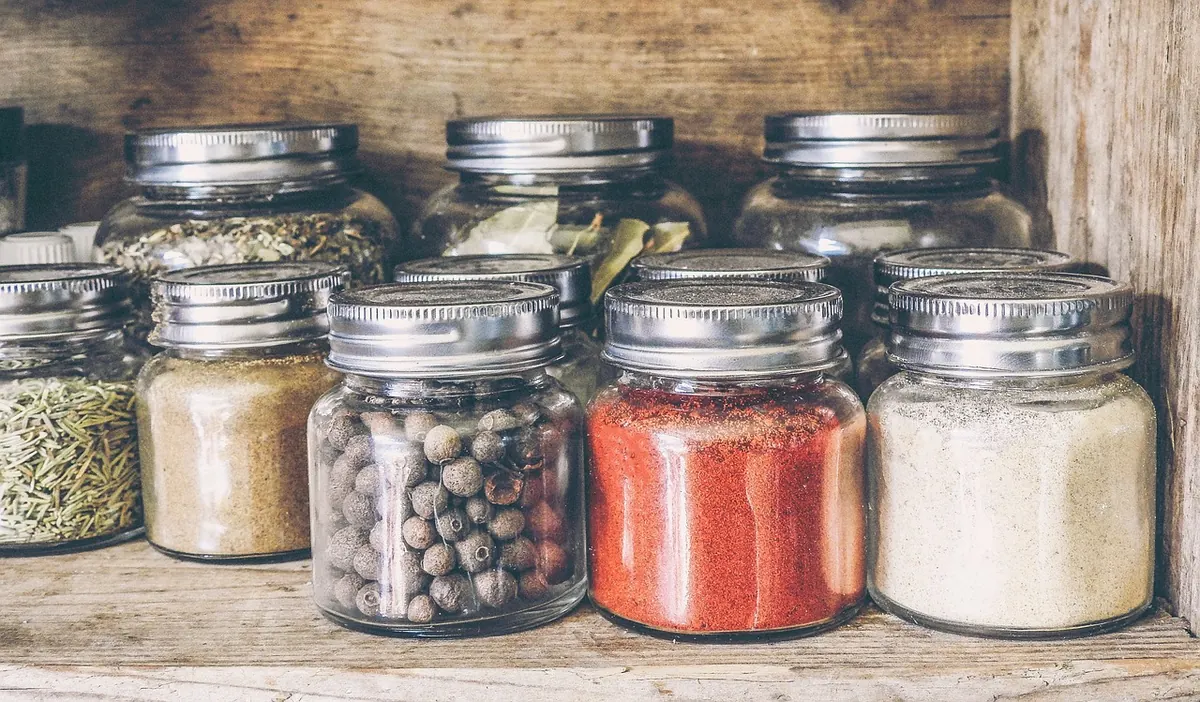
- Spices: whole ones keep a few years, ground ones a year or two, less if they live above the stove.
Storage habits that buy you extra time
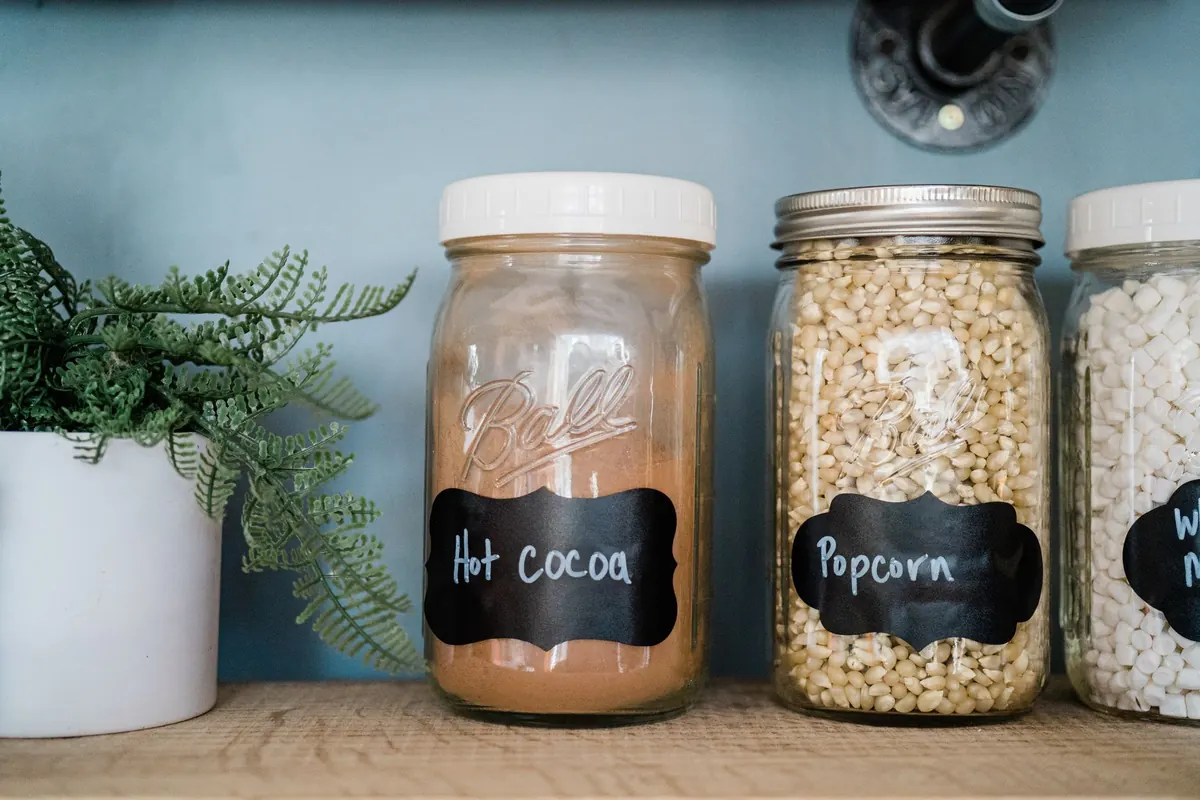
Food mostly fails for boring reasons: heat, light, air and moisture. The cupboard directly above the oven is the worst spot in the kitchen. Decant flour, rice and cereals into airtight jars, but keep the original packet's date on a sticky label so you're not guessing later. Store nuts, whole grains and good olive oil in the fridge if you don't get through them quickly.
Rotate as you unpack the shopping: new items to the back, older ones to the front. Write the cooking day on leftovers and eat them within three or four days. And don't top up a half-empty spice jar with a fresh one — the old stuff never gets used, and it drags the new down with it.
When to bin it without arguing
Some situations
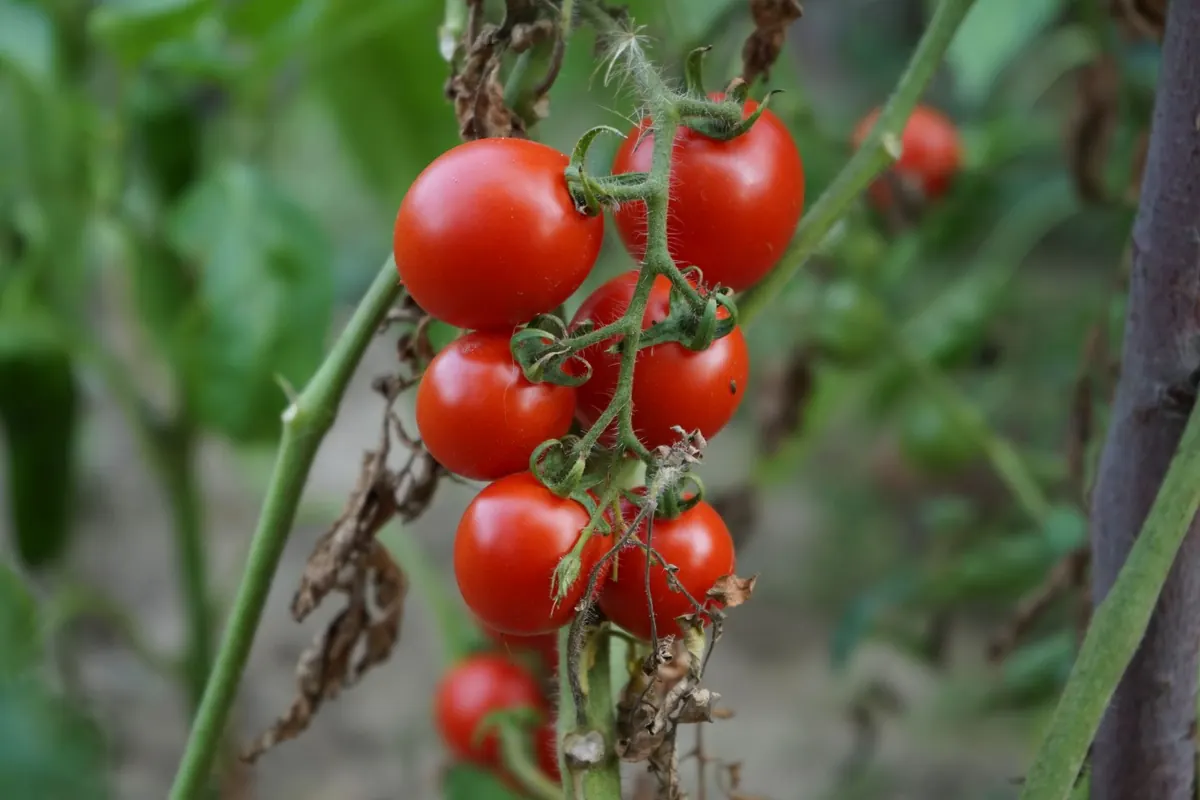
Photo: monicore / Pixabay
Related posts
More stories you’ll love reading